Sofia Hartmann · 23 October 2026
How Block-Based Visual Methods Are Reshaping Design Thinking Modules in Vocational Training Centers Across Northern Europe
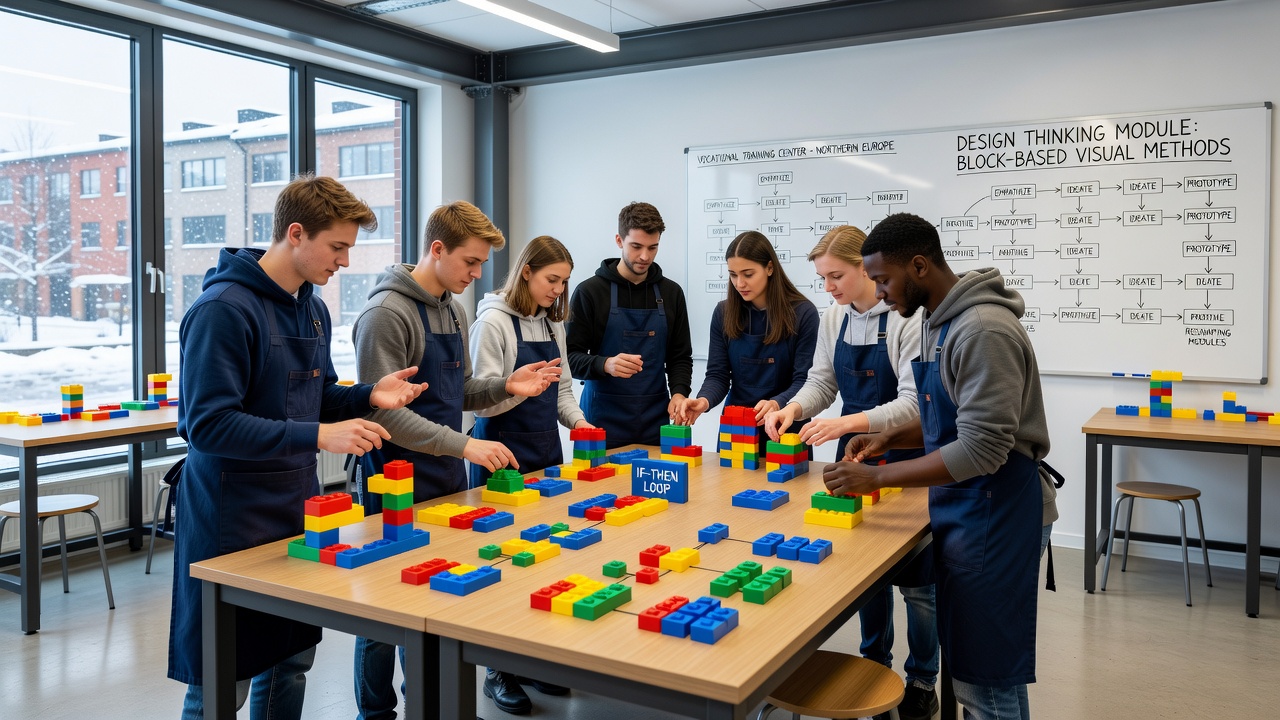
Vocational training centers across Northern Europe have integrated block-based visual methods into design thinking modules, where participants drag and connect visual elements to represent workflows, constraints, and user scenarios; these systems replace text-heavy diagrams with modular components that allow rapid rearrangement during group sessions, and data from national education boards show increased module completion rates in Denmark, Sweden, Finland, and Norway between 2023 and 2025.
Core Components of Block-Based Approaches in Vocational Settings
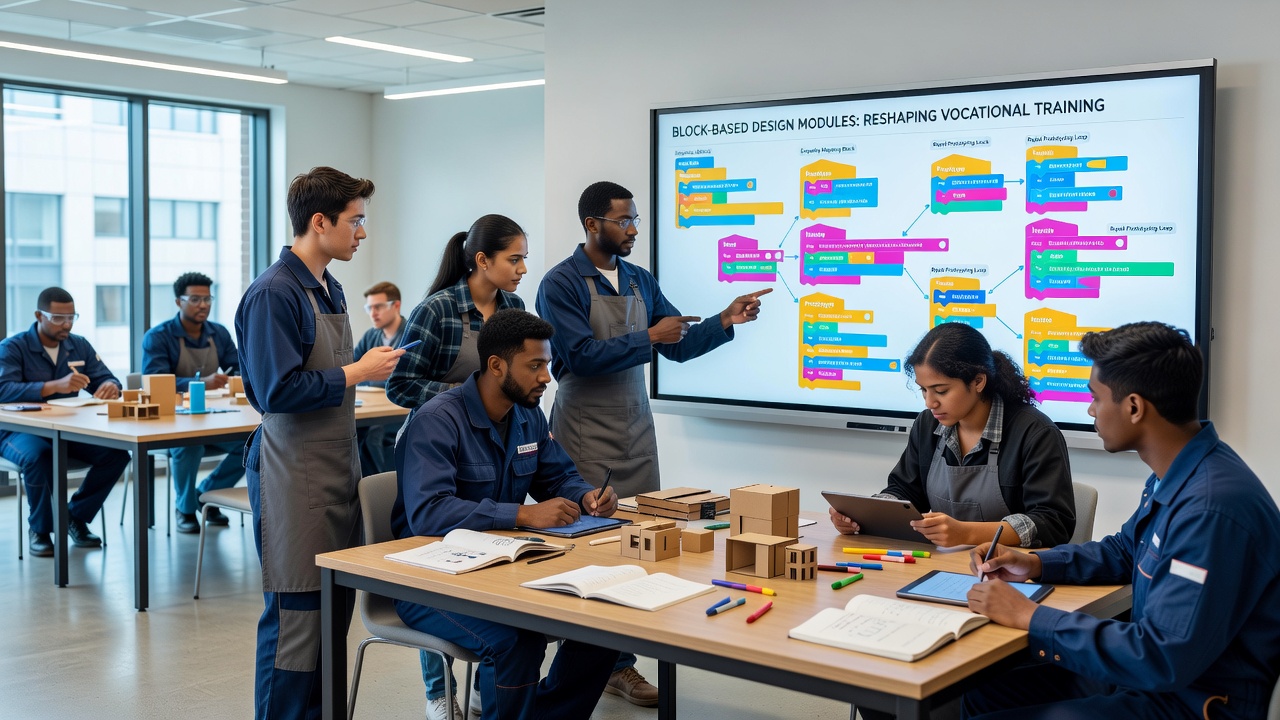
Block-based systems function through predefined shapes that represent actions, decisions, and data flows, so trainees assemble sequences without writing code; instructors in Finnish and Swedish centers report that this structure reduces initial barriers for learners from non-technical backgrounds, while still supporting complex problem decomposition that mirrors professional design practice. Researchers at institutions such as the Norwegian University of Science and Technology documented how these tools align with design thinking stages of empathy mapping, ideation, and prototyping by letting groups iterate on shared canvases in real time.
Regional Implementation Patterns
Denmark's vocational programs introduced block interfaces into design modules at technical colleges in 2024, linking them to industry partnerships with manufacturing firms that require visual process documentation; similar rollouts occurred in Norway where county training centers adopted the methods for sustainability-focused projects, and Finnish adult education providers embedded them in digital service design curricula. In each case the tools connect to existing learning management platforms, which allows instructors to track how individual blocks contribute to final prototypes and to generate reports for external accreditation bodies.
Evidence from Training Outcomes
Figures released by the European Centre for the Development of Vocational Training indicate that centers using block-based methods recorded a 19 percent rise in collaborative project submissions during the 2025 academic year compared with prior cohorts that relied solely on traditional sketching and written briefs. A separate analysis conducted by the Swedish National Agency for Education tracked participant retention across eight pilot sites and found sustained engagement through multi-week modules when visual blocks replaced linear slide decks for process mapping. These shifts coincide with updates to national qualification frameworks that now list visual systems literacy among core competencies for design-related trades.
Training sessions typically begin with instructors demonstrating how a single block set can represent user journey stages, after which small teams adapt the same blocks to local case studies; observers note that this sequence encourages immediate feedback loops because changes appear instantly on shared screens, and the approach supports multilingual groups common in Northern European classrooms where participants may hold different first languages.
Integration with Broader Curriculum Goals
Block-based tools also intersect with sustainability and circular-economy themes that dominate recent vocational standards in the region; trainees use dedicated block libraries to model material flows and waste-reduction scenarios, then export the resulting diagrams for stakeholder presentations. Government reports from the Finnish Ministry of Education and Culture highlight how these visual outputs meet documentation requirements for EU-funded green transition projects, which now require evidence of iterative design processes rather than final deliverables alone.
October 2026 marks the scheduled rollout of a cross-border exchange program coordinated through Nordic vocational networks, during which instructors from participating centers will share block libraries tailored to regional industries such as maritime logistics in Norway and renewable energy installation in Denmark; preparatory materials already circulate through open repositories maintained by the European Training Foundation.
Assessment and Accreditation Adjustments
Assessment rubrics have evolved to score not only the final prototype but also the number and variety of block iterations recorded during each phase, and this change aligns with recommendations from the OECD's 2025 skills outlook that emphasize process visibility in vocational credentials. Centers report that external examiners now receive visual audit trails alongside written reflections, which simplifies verification of design thinking competencies without increasing administrative load.
Conclusion
Northern European vocational centers continue to embed block-based visual methods into design thinking modules through incremental policy updates, equipment grants, and instructor development programs; the resulting structures provide consistent visual language across borders while accommodating local industry priorities, and ongoing data collection through 2026 will clarify long-term effects on learner progression into technical roles.